Rising through the vibrant artistic landscape of Barranquilla, Colombia, Shakira Isabel Mebarak Ripoll cultivated a distinct musical ethos by pairing poetic introspection with an eclectic acoustic guitar sound. Early major-label break Pies Descalzos established her signature mix of Latin pop, alt-rock texture, and expressive vocal dynamics, producing timeless radio staples like “Estoy Aquí” and “Antología.” The critical and commercial triumph of 1998’s Dónde Están los Ladrones? solidified her creative control, showcasing an artist blending sharp lyricism with Lebanese folk instrumentation on iconic tracks such as “Ojos Así.”
Global pop culture shifted permanently when 2001’s Laundry Service marked her crossover into the English-speaking mainstream. Armed with the hit single “Whenever, Wherever” (and its Spanish counterpart “Suerte”), her multi-platinum release proved that authentic Latin rhythms and rock-infused pop could dominate international airwaves without diluting their cultural roots. Subsequent milestones followed rapidly, including the record-breaking duet “La Tortura” with Alejandro Sanz and the global chart-topping powerhouse “Hips Don’t Lie” featuring Wyclef Jean, which turned her unmistakable hip-shaking choreography into a universal signature.
Mid-career experimentation yielded a series of conceptual transformations, ranging from the electropop synthesis of 2009’s She Wolf to the sun-drenched tropical anthems of 2010’s Sale el Sol. Iconic sporting moments further elevated her global profile, anchored by the official 2010 FIFA World Cup anthem “Waka Waka (This Time for Africa),” which became one of the most-watched music videos in history. Grounded in continuous sonic reinvention, she expanded her influence through strategic collaborations across reggaeton, bachata, and urban pop on 2017’s El Dorado, generating multi-billion-stream hits like “Chantaje” and “La Bicicleta.”
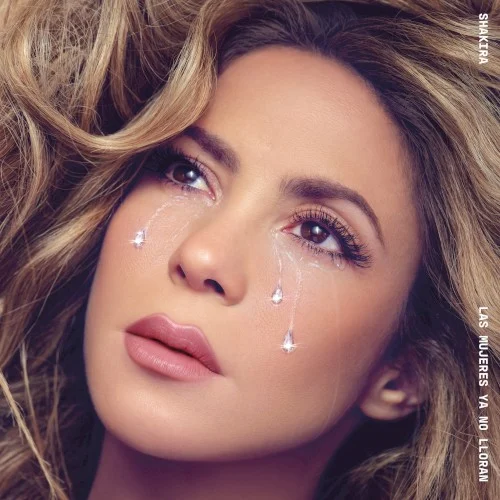
Commercial dominance reached new heights following the release of her 2024 album Las Mujeres Ya No Lloran, which earned critical acclaim and spawned major hits like the viral Bizarrap collaboration “Bzrp Music Sessions, Vol. 53” and “TQG” with Karol G. Her momentum carried directly into her record-breaking Las Mujeres Ya No Lloran World Tour, becoming the highest-grossing tour ever by a Latin/Hispanic artist. The massive trek spanned major stadium runs—including a historic multi-night stand at Mexico City’s Estadio GNP Seguros—a massive free performance at Copacabana Beach in Rio de Janeiro, an extended North American arena leg, and a European residency in Madrid featuring a venue custom-built for the event.
Beyond chart-topping records and sold-out stadium itineraries, her enduring legacy is defined by her profound impact on Latin representation in global media. Her philanthropic commitment through the Barefoot Foundation (Fundación Pies Descalzos) has built schools and transformed educational access across Colombia, highlighting her dedication to social change. As an architect of contemporary global pop who continuously bridges cultures, languages, and genres, she remains a timeless symbol of artistic independence and cultural power.