Success arrived in a form Sheik would spend years moving beyond. Introduced to piano by his Juilliard-trained grandmother and later drawn more strongly toward guitar, he grew up between New Jersey and South Carolina before studying semiotics at Brown University, where he played music with fellow student Lisa Loeb. His self-titled debut appeared in 1996 with the hazy surfaces, acoustic guitar and restrained vocals of a songwriter working at the quieter edge of alternative pop. “Barely Breathing” became the anomaly that changed everything. The song reached No. 16 on the Billboard Hot 100, remained on the chart for 55 weeks and earned Sheik a Grammy nomination for Best Male Pop Vocal Performance. The attention also attached a heartthrob image to a musician whose interests were already pulling toward work less dependent on radio, celebrity and the expectation of producing another hit.
The route toward theater was gradual rather than abrupt. Humming followed in 1998, then Sheik’s collaboration with poet, playwright and lyricist Steven Sater deepened into the 2001 album Phantom Moon. Sater supplied the lyrics while Sheik composed an orchestral, literary record far removed from the commercial expectations surrounding “Barely Breathing.” The partnership had begun through songs for Sater’s play Umbrage, and Phantom Moon demonstrated how naturally their separate roles could support a larger dramatic sensibility. Sater eventually proposed adapting Frank Wedekind’s 1891 play Spring Awakening. Sheik wanted the music to feel like something contemporary young people might actually listen to rather than a period score, creating the central tension that would make the musical work.
Spring Awakening reached Broadway in 2006 with Sheik’s contemporary music set against a story of adolescents confronting sexuality, repression, pregnancy and death in 19th-century Germany. The contrast gave the songs a dramatic function beyond modernization. Characters who could not speak openly inside their restrictive world could suddenly express themselves through electric guitar, folk textures and alternative-rock dynamics in “Mama Who Bore Me,” “The Bitch of Living,” “Touch Me” and the rest of the score. The production won eight Tony Awards in 2007, including Best Musical, while Sheik received Tonys for Best Original Score and Best Orchestrations and the cast recording won a Grammy. Theater became a place where his songwriting could stretch into structures pop singles rarely allowed, a possibility he continued exploring through the electronic menace of American Psycho, the ghostly folk atmosphere of Whisper House, the wartime dream logic of Alice by Heart and other stage projects.
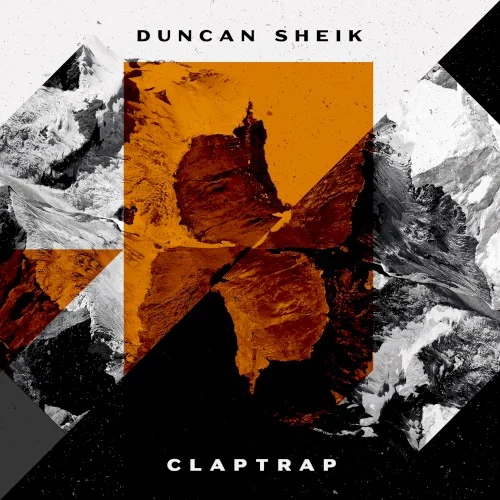
Sheik never completely abandoned records while theater became the larger story. Daylight, White Limousine, Legerdemain and 2022’s Claptrap kept his solo catalog active alongside film scores and stage work. His final year was not a retrospective one. Memoirs of Amorous Gentlemen, based on Moyoco Anno’s manga, was preparing for its Off-Broadway premiere with music and lyrics by Sheik, a book by Leah Nanako Winkler and direction and choreography by Rob Ashford. Performances are scheduled to begin September 25th at the Night Egg at the Culture Club, with Sophia Anne Caruso leading the cast and an October 15th opening planned. Another of Sheik’s works is close behind. A new production of Spring Awakening, directed by Danya Taymor, begins performances November 27th at Studio Seaview for a limited run.
Sheik died in New York on September 17th, leaving both productions to reach audiences without him. The timing makes the shape of his career unusually clear. Thirty years earlier, “Barely Breathing” had succeeded because one song could stand on its own for 55 weeks on the Hot 100. The work that ultimately occupied much more of his creative life asked songs to do almost the opposite, to belong to characters, arguments, scenes and stories larger than any individual track. Phantom Moon helped reveal the path, and Spring Awakening demonstrated how powerful that path could become when contemporary music was allowed to function as a character’s hidden language. Duncan Sheik entered public life with millions of listeners hearing one song in isolation. He spent the decades afterward discovering how much more a song could say once it became part of something larger.